
Protecting data in the workplace is essential to ensure the confidentiality of sensitive information, such as personal data of clients and employees. A leak of this data can cause significant harm, both financially and reputationally. Securing it is also crucial to comply with current regulations, such as the GDPR in Europe. But how can one truly comply with this standard? What are the best practices to adopt to avoid the worst? Discover them here!
Adopt a strict password management policy
Objectively, passwords are the first line of defense against unauthorized access to sensitive data. In a business context, this is even more important, as a simple cyberattack can cause enormous damage. Therefore, ensure that the passwords used by your employees are sufficiently complex. They should include a combination of uppercase and lowercase letters, numbers, and special characters.
To avoid password recycling, consider hiring a GDPR consultant. They will help you enforce a regular change policy. They can also recommend password management tools, such as LastPass or Dashlane.
Clearly define data access
The goal here is to clearly define who can access which data. This ensures that only authorized individuals have access to sensitive information. To do this, establish a role-based access control system.
Also implement procedures for managing access rights, such as:
- Assignment;
- Review;
- Revocation of permissions.
Ensure that access is adjusted according to changes in position or role within the company, and regularly monitor access logs.
Maximize workstation security
To further restrict unauthorized access to data and prevent the worst, maximize workstation security. Start by installing up-to-date operating systems and software. Use advanced encryption tools.
Additionally, configure security policies such as automatic locking after a period of inactivity. This simple action can prevent unauthorized access when employees leave their desks without locking their computers.
Establish procedures for user account management
To maintain data security in the workplace, establish clear procedures for creating, managing, and deleting user accounts. When a new employee joins the company, create an account with access rights appropriate to their role. Ensure that old accounts are disabled or deleted when employees leave the company or change roles.
It is also important to implement validation procedures for data access requests. This may include approval by a supervisor or a GDPR Consultant.
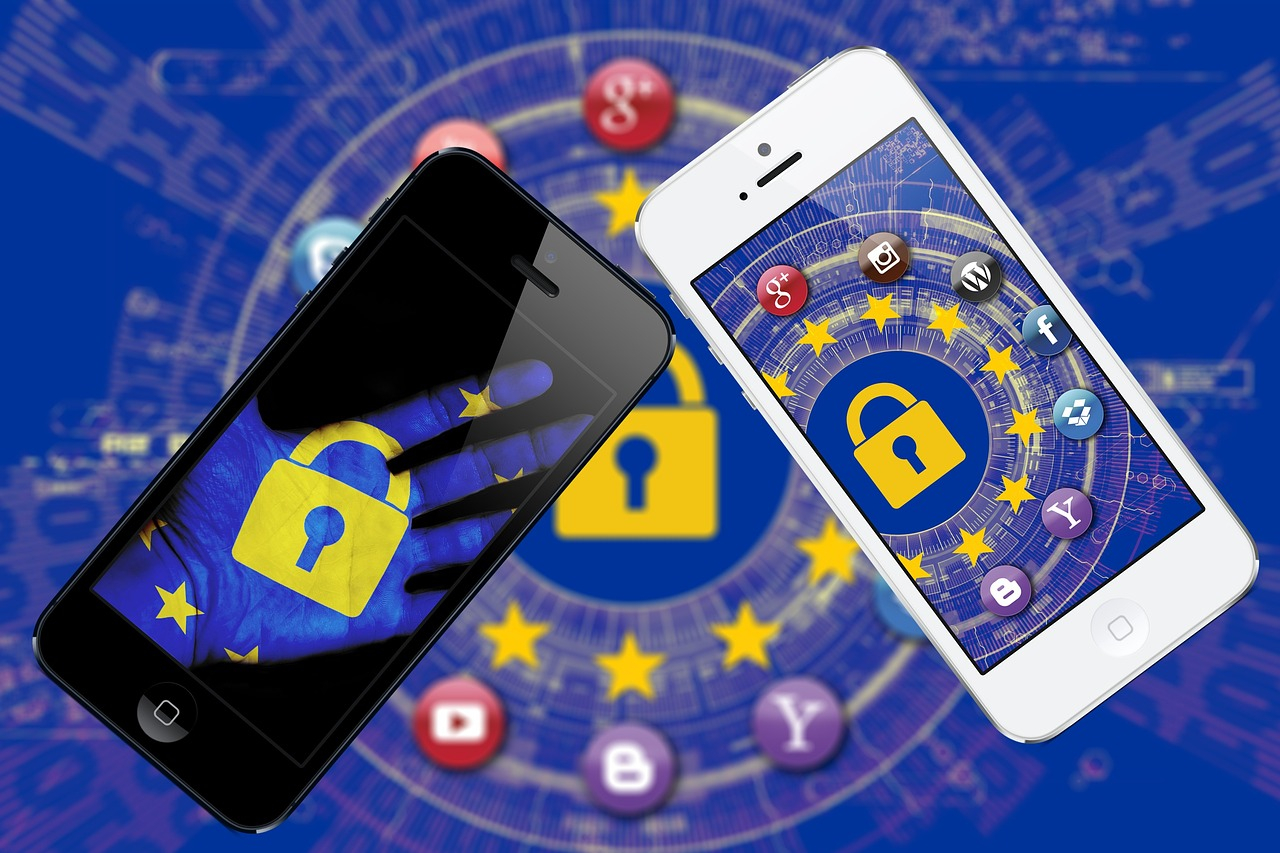
Anticipate danger
Data loss or leakage can have serious consequences for a company, and this is no longer in question. To anticipate the worst and potentially minimize risks, implement prevention and response measures. Consider using regular and automated backup solutions.
Also adopt incident management policies. And equip yourself with highly effective antivirus software.
Use certified antivirus and antimalware software
Antivirus and antimalware software play a crucial role in protecting against online threats. However, their use is not yet ingrained in habits, but it should be.
Indeed, to ensure effective protection against viruses and other threats, use solutions certified by recognized security organizations. Ensure that this software is configured to perform regular and automatic scans of your systems. Also, keep them updated, and don’t forget to have regular audits.
Conduct periodic security audits
This practical measure is essential as it allows you to analyze all of your data protection systems. In clear terms, conducting periodic security audits will help you assess the effectiveness of your security measures and detect any weaknesses.
These audits can include assessments of compliance with GDPR requirements, as well as penetration testing to simulate attacks and identify vulnerabilities. Based on the audit results, implement corrective measures to strengthen the security of your systems and processes. Also, ensure that you follow the auditors’ recommendations and keep all staff informed.
Regularly train staff on data security
As Voltaire aptly said, “ignorance is the source of all evils.” To prevent your own employees from being the cause of your misfortunes due to lack of knowledge, regularly train them on data security.
Organize regular training sessions to raise awareness of best practices in data security and the requirements of GDPR. These trainings should cover topics such as:
- Password management;
- Detection of fraudulent emails;
- Incident reporting procedures.
Appoint a Data Protection Officer (DPO)
The DPO is responsible for overseeing:
- Compliance with GDPR;
- Management of requests from data subjects;
- Coordination of security audits.
They must be able to provide advice on best practices in data management.
For this, choose a good profile with in-depth knowledge of data protection regulations. Ensure they have the necessary resources for GDPR consulting. Also, make sure they have the support of management to effectively carry out their duties.
Restrict physical access to premises
You might think like everyone else that cyberattack scenarios occur exclusively online? Sometimes, it starts with unauthorized physical access. So, consider installing access control systems, such as magnetic badges or access cards, to limit entry to authorized individuals.
To enhance this security, place surveillance cameras in sensitive areas. Ensure that data storage areas are secured with robust locking devices. Additionally, conduct regular checks to verify that access complies with granted permissions. By implementing these measures, you contribute to effectively protecting your company’s image. While there is no such thing as 100% security, it is out of the question for your data to fly away like leaves in the wind.