
Introduction
When we talk about vehicles, compliance with standards is paramount. Whether for the safety of occupants, environmental protection, or civil liability, every component of the vehicle is subject to strict regulations. From the bodywork to the headlights, including the engine and the wheels, let’s explore the importance of the associated norms and laws. Indeed, these regulations, established by government bodies and specialized organizations, ensure that every vehicle on our roads meets a certain safety standard. For car owners, such as those of Peugeot, it is imperative to use compliant parts, like those provided by specialists such as Ovoko, during repairs or modifications. Failure to comply with these guidelines can lead not only to financial penalties but also compromise the safety of the vehicle and its passengers.
1. The bodywork: much more than an aesthetic aspect
1.1 Safety first
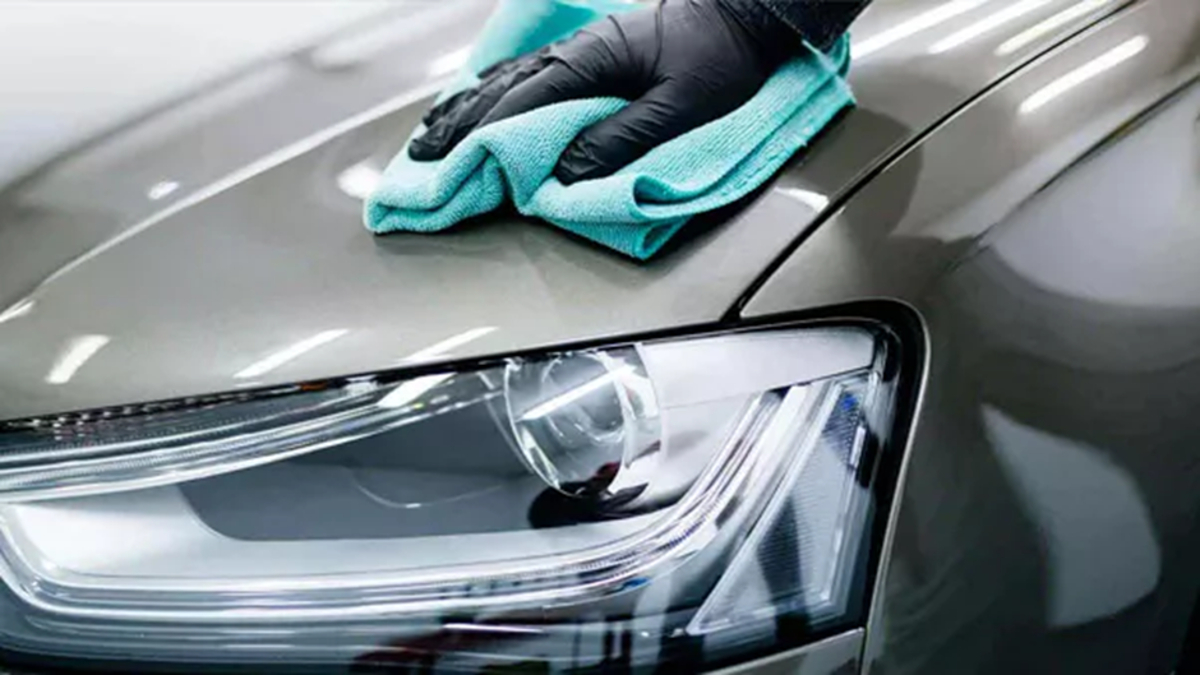
The bodywork must meet precise standards to ensure safety in the event of a collision. Tests are regularly conducted on new models to ensure that the bodywork deforms in a way that minimizes injuries to occupants. Additionally, the strength of materials, energy absorption, and impact distribution play a crucial role in these standards. Cars are also designed with programmed crumple zones, allowing certain parts to crush in a controlled manner to protect the integrity of the cabin. These innovations and regulations align with the ultimate goal: to reduce trauma in the event of an accident and protect the lives of passengers and drivers.
1.2 Protection against corrosion
The standards also impose protection against corrosion, thus ensuring a longer lifespan and reducing the risks of premature deterioration. This requirement is not limited to aesthetics or preserving the vehicle’s value. A healthy bodywork plays a vital role in the overall safety of the vehicle. Indeed, a corroded body can compromise the structural integrity of the car, making it vulnerable in the event of an impact. Therefore, manufacturers, like Peugeot, use anti-corrosion coatings, special paints, and galvanization techniques to ensure that their vehicles meet these strict criteria throughout their use.

The headlights: illuminating and being seen
2.1 Brightness and range
The headlights must not only illuminate the road but also allow other drivers to see you. Regulations define the minimum and maximum brightness, as well as the range and direction of the light. These standards ensure that the emitted light is powerful enough to illuminate the road ahead of the driver without dazzling or hindering other users. Furthermore, headlights must be positioned at a specific height and be properly aligned to avoid any visual discomfort for other drivers. This is why, during technical inspections, the alignment and functioning of the headlights are meticulously checked to ensure compliance and safety on the road.
2.2 Modern technologies
With the advent of LEDs and other lighting technologies, standards are evolving to incorporate these innovations while ensuring safety. These new light sources offer increased durability, reduced energy consumption, and better visibility. However, their intensity and color may differ from traditional lighting. As a result, regulators are continuously working to adapt the guidelines to ensure that these technological advancements meet essential safety criteria. It is therefore crucial for manufacturers and motorists to stay informed about the latest regulations to ensure that their vehicles, and particularly their lighting systems, are in perfect compliance.
3. The wheels: grip and safety
3.1 Size and dimensions
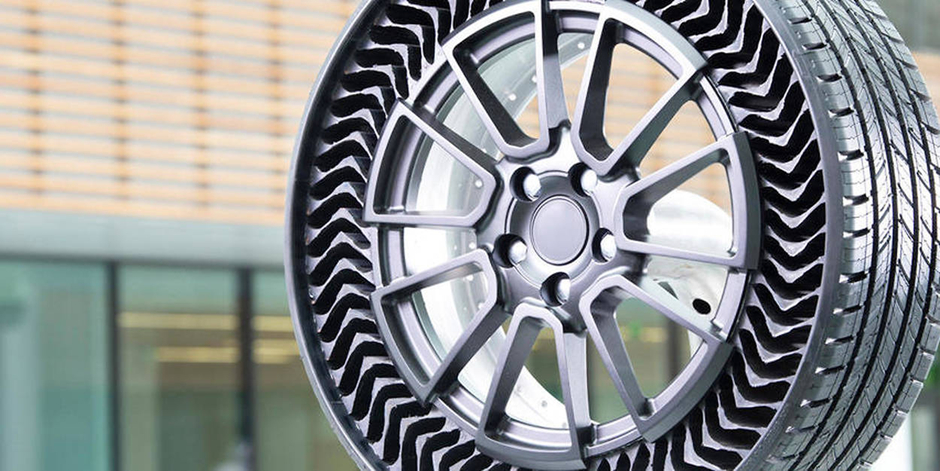
Each vehicle has precise specifications regarding the appropriate tire size and type. Adhering to these standards ensures better grip and optimal braking distance. Beyond these fundamental safety aspects, using tires recommended by the manufacturer also ensures better longevity of the vehicle, efficient fuel consumption, and optimal driving comfort. Ill-suited tires can lead to premature wear of suspension components and impair the overall performance of the vehicle. Therefore, it is essential to comply with the manufacturer’s guidelines and regularly check the condition and pressure of the tires to ensure safe and economical driving.
3.2 Pressure and wear
The law states that tires must always have adequate pressure and wear within acceptable limits to ensure safety. Inappropriate pressure can compromise the vehicle’s handling, increase braking distance, and even cause sudden tire failure while driving. Additionally, worn or deformed tires reduce grip on the road, especially in wet conditions or on slippery roads. It is therefore essential to regularly check tire pressure and examine their overall condition to avoid dangerous situations. Complying with these guidelines is not only a matter of legal compliance but also a responsibility towards oneself and other road users.
4. The engine: performance and emissions
4.1 Emission standards
With the growing environmental awareness, engines must comply with increasingly strict emission standards. This primarily concerns CO2 emissions and fine particles.
4.2 Noise and vibrations
In addition to emissions, standards also apply to the noise level of the engine and vibrations, thus ensuring the comfort of occupants and reducing noise pollution.
5. The importance of using quality parts
When it comes to replacing or upgrading a component, it is crucial to opt for quality parts. Suppliers like Ovoko guarantee parts that comply with standards, whether it’s a Peugeot or any other brand. The quality of parts directly influences the performance, durability, and, above all, the safety of the vehicle. Using substandard or incompatible parts can not only reduce the vehicle’s efficiency but also pose potential risks to the driver and passengers.
Another advantage of choosing quality parts is durability. Compliant parts are designed to withstand rigorous driving conditions and offer maximum longevity. Moreover, with the constant evolution of automotive technology, ensuring that replaced or upgraded components are up to date is essential for maintaining a modern, efficient vehicle that aligns with the latest innovations.
Conclusion
Adhering to the standards and regulations associated with each component of a vehicle is not just a legal obligation; it is a guarantee for the safety of road users and the protection of our environment. By being well-informed and making informed choices, particularly regarding spare parts, every driver plays a role in creating a safer and more responsible road ecosystem.