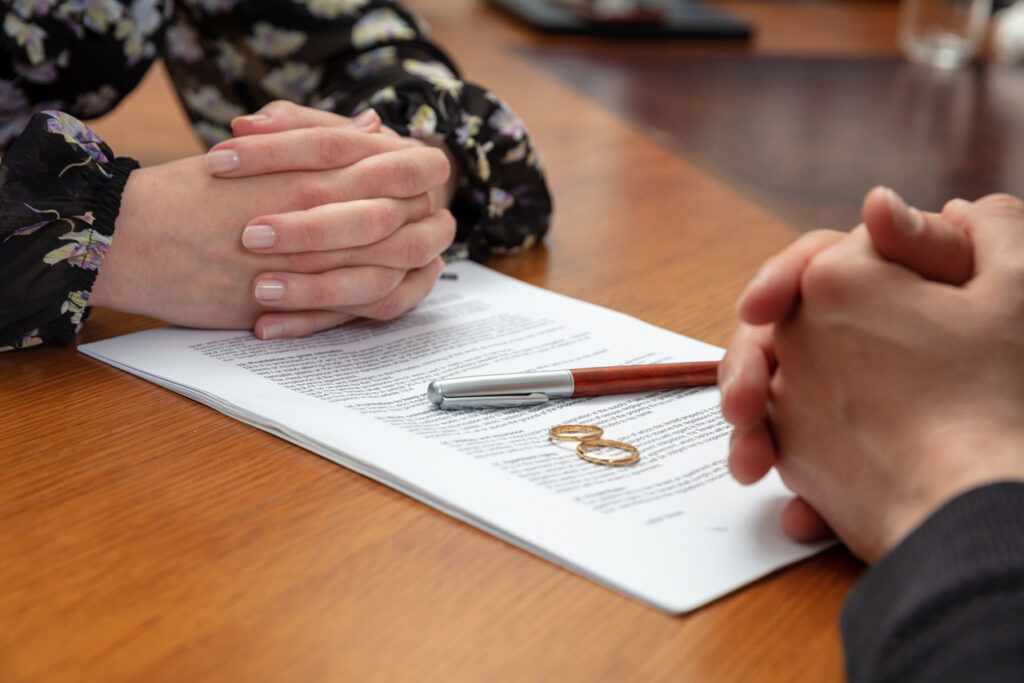
According to INSEE, nearly half of marriages in France end in divorce. Couples cite various reasons to justify the end of their union. One of the most common is adultery. This is a case that is handled with great delicacy and requires solid evidence. To do this, spouses use several means to obtain elements admissible by the courts. Some do not hesitate to call on a private detective to win their case. Here, we will show you how to obtain tangible evidence that proves your partner is unfaithful.
Divorce request due to adultery: how does it work?
Adultery is a term used when, within a couple, one of the partners is having an extramarital affair. It is recognized by the French state as a valid reason for requesting a divorce. According to Article 212 of the French Civil Code, we speak of adultery when the husband or wife has romantic and intimate relationships with a third party. To request a divorce in such a situation, both spouses must not have consented to a free union. Additionally, the husband or wife must have discovered the hidden affair.
In some cases, it may involve cohabitation with another person after one of the partners has deserted the marital home. Once infidelity has been discovered, the spouse who wishes to divorce must file a request with a judge. The judge will then ask for evidence of infidelity to initiate the procedure, which can be burdensome and tedious. This is why some do not hesitate to call on a specialist, as discretion for a private detective specializing in adultery is an essential element.

What types of evidence are accepted when it comes to adultery?
The justice system is very meticulous regarding the evidence that makes a person guilty of adultery. It has defined a list of admissible evidence necessary to obtain a divorce. This can include physical or digital traces that clearly demonstrate the existence of a relationship with another person. Examples include photographs, letters, emails, or text messages. Posts on social media by one of the individuals involved in the relationship may also be taken into account. There are also testimonies from family members or other people informed about the relationship.
A simple account or assertion of the existence of the relationship is not sufficient. The witness must mention verifiable facts that support their testimony. The evidence provided by a private detective specializing in adultery is also admissible in a court of law. However, their investigation must solely aim to present tangible evidence. It should not exceed the duration allowed by law to provide the necessary information. The court also accepts evidence provided by a designated court officer to verify the facts.
How to gather this different evidence?
To gather the various admissible evidence in a court of law, it is highly recommended to contact a private detective. They have the necessary skills to find true and verifiable information in a relatively short time. As an experienced professional, they will provide you with irrefutable evidence while adhering to current laws. However, you can also conduct your own investigations using legal methods that respect your partner’s privacy and integrity. Evidence obtained through violence, hacking, or searching a mobile phone should be avoided.
For example, look for traces of costly and suspicious expenses in your joint financial statement. You may find charges for trips for two, flower deliveries, or other unexplained gifts. Search social media for suspicious posts or photographs. Additionally, pay more attention to your partner’s habits to identify any irregularities. It is also possible to request the testimony of a colleague or acquaintance informed about the affair. This person should not be coerced into testifying in your favor. Finally, you can file a request with the court handling the case for them to investigate the alleged affair.
Divorce: the compensations you are entitled to in case of adultery
In the case of adultery, you are entitled to financial compensation from your ex-husband or ex-wife. However, you must meet certain conditions. For example, you must prove that their adultery has caused you harm on several levels. This may involve changes in your social situation or the emergence of health problems, whether physical or psychological. The amount of damages is determined by the court and must be paid by the ex-partner within a specified timeframe.
In addition to this amount, you are also entitled to various financial benefits that a divorce may generate. This includes the division of marital assets acquired during the duration of the marriage and other benefits outlined in the marriage contract. If children were born from this union, the wife is entitled to child support for each of them. These amounts are negotiated by the lawyers of both parties. However, the total amount to be paid is determined solely by the judge, ensuring that each party is fairly compensated.

Can you win your case even without evidence?
It is nearly impossible to receive a positive outcome for a divorce based on adultery when the requesting party has no evidence. In the case of false accusations, this can lead to very serious consequences. The opposing party may decide to sue you for false accusation or turn the situation to their advantage to gain a better outcome from the divorce. Moreover, in the absence of evidence, the judge cannot rule, as the main reason for the separation could not be verified after an investigation. Therefore, you must be sure of the claims you make, or initiate an amicable divorce procedure.
If you suspect your partner of cheating but do not have the necessary evidence, wait to gather it before starting the procedure. To do this, enlist a qualified private detective to conduct the investigation. You will then be able to build a solid case with the various pieces of evidence provided. If in doubt, you can also contact a divorce specialist lawyer for expert advice on the situation. They will inform you of the essential elements needed to initiate such a procedure and the strategy to adopt. You can also consult the Civil Code for more information on divorces in cases of adultery.