
Since the early days of wireless technology, there has been an irresistible curiosity to explore the hidden possibilities in our connected digital world. Phone hacking tools have long been the subject of a controversial debate, balancing privacy rights and intellectual property rights. While some view them as illegal means, useful or dangerous for accessing protected information or devices, they can also highlight real vulnerabilities that deserve to be addressed.
In this article, we will explore the thin line between hacking Instagram and other apps for legal purposes and circumventing technical protections. We will examine some well-known tools and their legal implications, as well as the arguments for and against their responsible use. Our goal is to fuel a nuanced discussion about the complexity of this important technical, legal, and ethical issue that will shape the future of our digital society.
How does iPhone hacking work?
To understand the complexity of this issue, it is essential to understand how hacking tools work. Generally, hacking an iPhone can be done in several ways, including:
- Exploiting software vulnerabilities: A hacker could exploit a vulnerability in the Instagram app to hack an Instagram account, for example.
- Using hacking applications: Some applications are specifically designed to facilitate hacking. A hacking app can allow a hacker to access sensitive information on a phone. The problem is that these applications can also be used maliciously.
- Social engineering: This method involves manipulating people to gain access to their information. For example, a hacker may impersonate a legitimate person and request information via emails or text messages.
As you can see, hacking methods can vary and often have different legal implications. However, a fundamental question remains: when do they cross the line into illegality?
When does phone hacking become illegal?
The answer to this question is complex and can vary depending on your country of residence. However, there are some common elements to determine whether a phone hacking tool is legal or not:
1. Unauthorized access
Consent is a key element in determining the legality of hacking. If someone is wondering how to hack someone’s phone without their consent, that would be considered illegal. This applies to all types of devices, whether it’s a smartphone, tablet, or computer. Unauthorized access to a device can lead to serious legal consequences.
2. Violation of privacy
Privacy is a fundamental right protected by law. If the use of a hacking tool violates privacy protection laws, it will also be considered illegal. This can include accessing sensitive information, such as passwords, personal data, private conversations, photos, and videos. It is important to note that even if a person has physical access to a device, they are not necessarily authorized to access all the information stored on it.
3. Malicious intent
The intent behind the use of a hacking tool also plays a role in its legality. If the hacking tool is used with the intent to cause harm, it will also be considered illegal. This can include stealing sensitive information, fraud, cyberbullying, sabotage, or any other form of cybercrime. Using a hacking tool to harm others can have serious legal consequences.
4. Commercial exploitation
Using hacking tools for commercial gain without authorization is also illegal. For example, hacking a Telegram account to sell the obtained information to third parties, or using hacking software to gain an unfair competitive advantage, are illegal acts.
It is important to note that these points do not cover all possible situations. Specific hacking laws vary from country to country and may be subject to interpretation. It is always advisable to consult a technology law expert if you have questions about the legality of a specific tool or action.
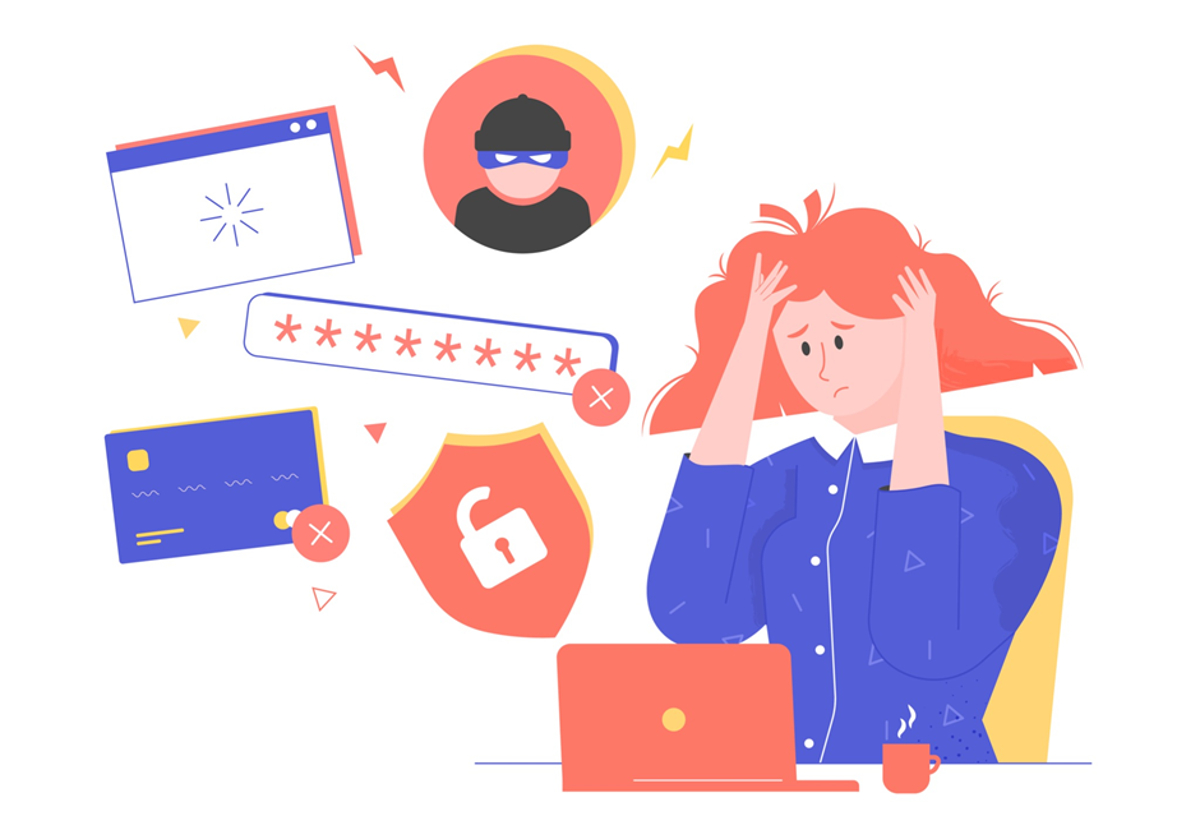
Arguments for and against the use of phone hacking tools
There are a series of arguments for and against the use of phone hacking tools. Here are some viewpoints:
For:
- Enhanced security: Phone hacking tools can be used to strengthen the security of your own device. They can help identify vulnerabilities and take steps to fix them, which can protect against future attacks.
- Family protection: These tools can also be used to monitor activity on children’s phones, which can help protect children from online dangers. For example, they can allow parents to see who their children are communicating with, what websites they visit, and what apps they use.
- Prevention of cyberbullying: Hacking tools can be used to monitor social media accounts and other online communications, which can help prevent cyberbullying. If a parent suspects that their child is a victim of cyberbullying, they can use these tools to gather evidence and take appropriate action.
Against:
- Invasion of privacy: While these tools may have legitimate uses, they can also be used to violate individuals’ privacy. This can include unauthorized access to sensitive information, such as passwords or personal data.
- Potential for abuse: These tools can fall into the wrong hands and be used for malicious purposes. For example, they could be used to commit acts of cybercrime, such as identity theft or fraud.
If you choose a reliable and legal service, such as a parental monitoring tool, and use it in compliance with privacy protection laws, it can be considered ethical. However, if you use an illegal service to exploit or harm others, it could have serious legal consequences.
Conclusion
The legality of phone hacking tools, including those used to understand how to hack a mobile phone, is a complex issue that requires a deep understanding of current laws and ethical questions. It is essential to respect the privacy and security of others when navigating the digital world. Ultimately, it is each of our responsibilities to understand and adhere to the laws regarding hacking.