To ensure the protection of its territory and its population, each State is able to use exceptional means that go beyond ordinary law. These means are framed in France by the law of internal security. What is the purpose of this legal arsenal? Who are its main actors and how is it applied in practice?
The law of internal security and its importance
The law of internal security is the set of legal norms that govern the activities of institutions and agents such as police officers, gendarmes, and customs officers. It encompasses provisions related to the prevention and repression of offenses. It provides a framework for judicial procedures and security measures. Its importance is fundamental, as it protects citizens and their property by defining the missions and powers of law enforcement. Moreover, it ensures the safeguarding of individual freedoms by establishing limits.
The texts also provide procedural guarantees for all parties involved. Furthermore, they play a crucial role in the prevention and management of crises, whether of natural, technological, or security origin. They indicate specific provisions to address these exceptional situations. In this way, there is a rapid and effective response to protect the population.
The law of internal security regulates the actions of intelligence services. It guarantees respect for human rights and fundamental freedoms in the fight against terrorism and organized crime. This is reflected in mechanisms of control and supervision, aimed at preventing abuses and ensuring that the activities of these services are conducted within the framework of the law.

The main elements and actors of the law of internal security
The application of the law of internal security relies on a comprehensive legal arsenal. We find the laws and decrees that set the rules to be followed by the various institutions and services responsible for the protection of the territory. These texts are developed by Parliament and the government.
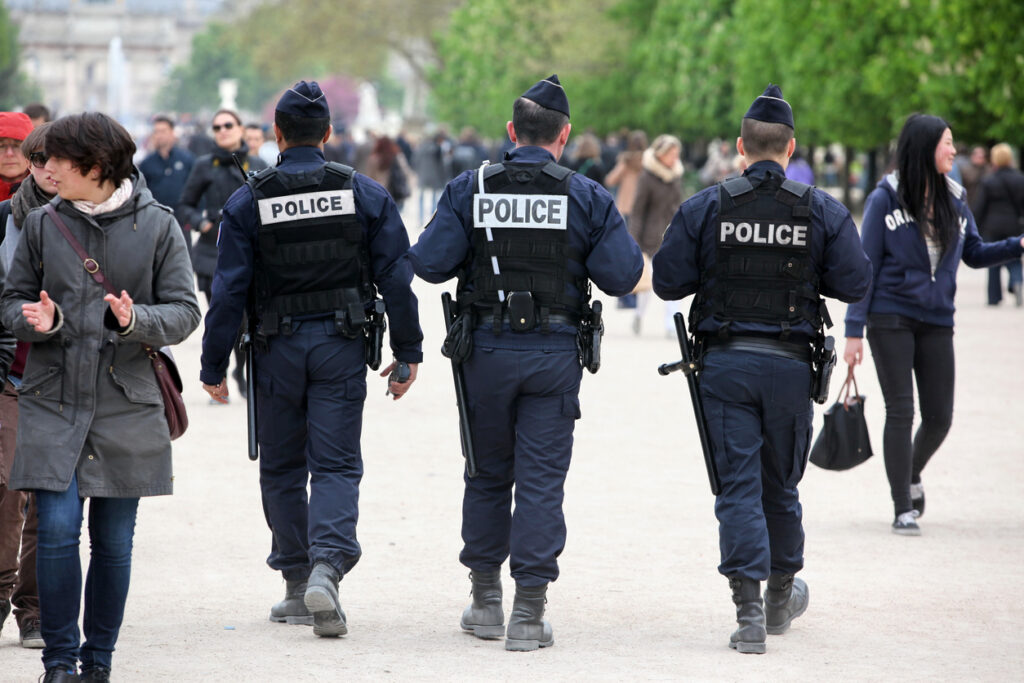
The law enforcement agencies, composed of national police officers, gendarmes, and municipal security agents, are also a key element. They ensure that laws and decrees are properly observed while carrying out their missions of prevention and repression on the ground. Counter-intelligence agents, for their part, are tasked with collecting and analyzing information to detect threats to the country’s security.
In addition to these elements, there are independent administrative authorities that oversee the proper application of laws and the respect of fundamental rights. Among them, we can mention the National Commission on Informatics and Liberty (CNIL), the National Commission for the Control of Intelligence Techniques (CNCTR), and the Defender of Rights.
The citizen also has a role to play in the prevention and detection of offenses by reporting any suspicious behavior. He has obligations towards law enforcement.
How is the law applied in practice?
A key aspect of these rules is the use of protection perimeters. According to Article 226-1 of the Internal Security Code, the prefect has the power to define limits to ensure the smooth running of specific events in high-risk areas.
The application of this law also involves a series of administrative and judicial procedures. The National Assembly and the Senate are informed without delay of the measures taken or implemented to guarantee internal security. This allows for democratic oversight and true transparency.
Another important element of the regulation on territory protection is the role of intelligence services. They are responsible for preventing threats to the nation’s interests while respecting the rights and freedoms of citizens. The General Directorate for Internal Security (DGSI), for example, operates within a legal framework. Furthermore, there are specific codes of conduct for all actors in society. These rules require law enforcement to serve the community and protect it against illegal acts, in accordance with the obligations imposed on them by law.
Potential implications for citizens
The legal measures on internal security have a direct impact on people’s lives. They can limit fundamental freedoms such as the right to move freely, in order to preserve the entire country.
Moreover, these laws can also impact democracy. For example, during a demonstration, law enforcement may regulate the gathering to ensure public safety, but this restricts freedom of expression. It is therefore important that these measures are adopted with caution and in compliance with legislative texts.
To avoid abuses, it is advisable to seek advice from a specialized lawyer on issues related to internal security when you feel that your rights are being violated. This professional can inform you about the steps to take in these situations.