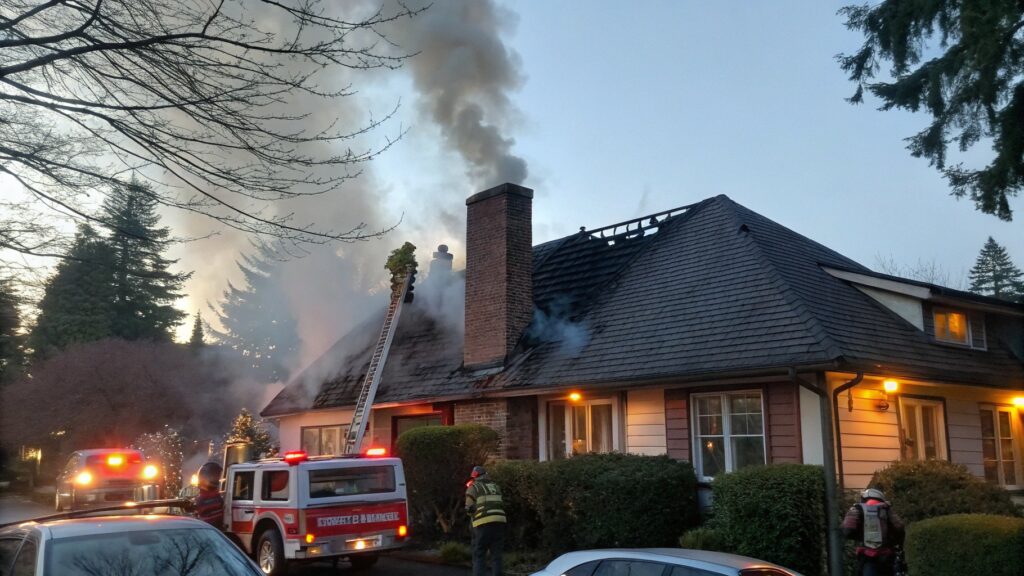
Winter is quickly approaching in Langres, and lighting the fireplace remains a comforting gesture for many households. However, behind this pleasure lies an unavoidable necessity: complying with the local chimney sweeping regulations. The chimney sweeping certificate then becomes much more than a formality; it is a genuine proof for home insurance and a guarantee against any chimney-related incidents. Understanding the importance of this document helps avoid legal, financial, or administrative problems, especially in the event of an inspection or incident.
What is the legal obligation regarding chimney sweeping in Langres?
In Langres, as in all of Haute-Marne, every property owner or tenant has the legal obligation to maintain their flue systems according to a frequency defined by municipal orders. Failure to comply with this requirement exposes one to a fine or a penalty during an inspection. The absence of maintenance proof, such as the certificate issued after intervention, can lead to serious consequences in the event of a domestic incident or administrative check.
The local regulations generally impose an annual chimney sweeping, but two cleanings may be necessary for intensive use or depending on the type of fuel (wood, coal, pellets). Adapting the frequency to one’s situation significantly reduces the risk of chimney-related incidents and legally protects the user against any disputes related to the safety of the installation. It is possible to hire a chimney sweep in Langres when one wishes to ensure compliance with current regulations.
How does the intervention of a qualified professional proceed?
Inspection of flues and removal of residues
Hiring a qualified professional involves more than just cleaning the flue. This specialist conducts a comprehensive inspection of the flues, checking for any obstructions or defects that could impact the safety of the installation. This essential step helps limit the risk of carbon monoxide poisoning and ensures regulatory compliance.
Beyond mechanical cleaning, the chimney sweep removes all combustible residues such as soot, creosote, or tar, which are genuine potential fire hazards. They also ensure proper draft before issuing a legally recognized chimney sweeping certificate, which is essential to prove regular maintenance to home insurance or authorities.
Obtaining proof for insurance and legal framework
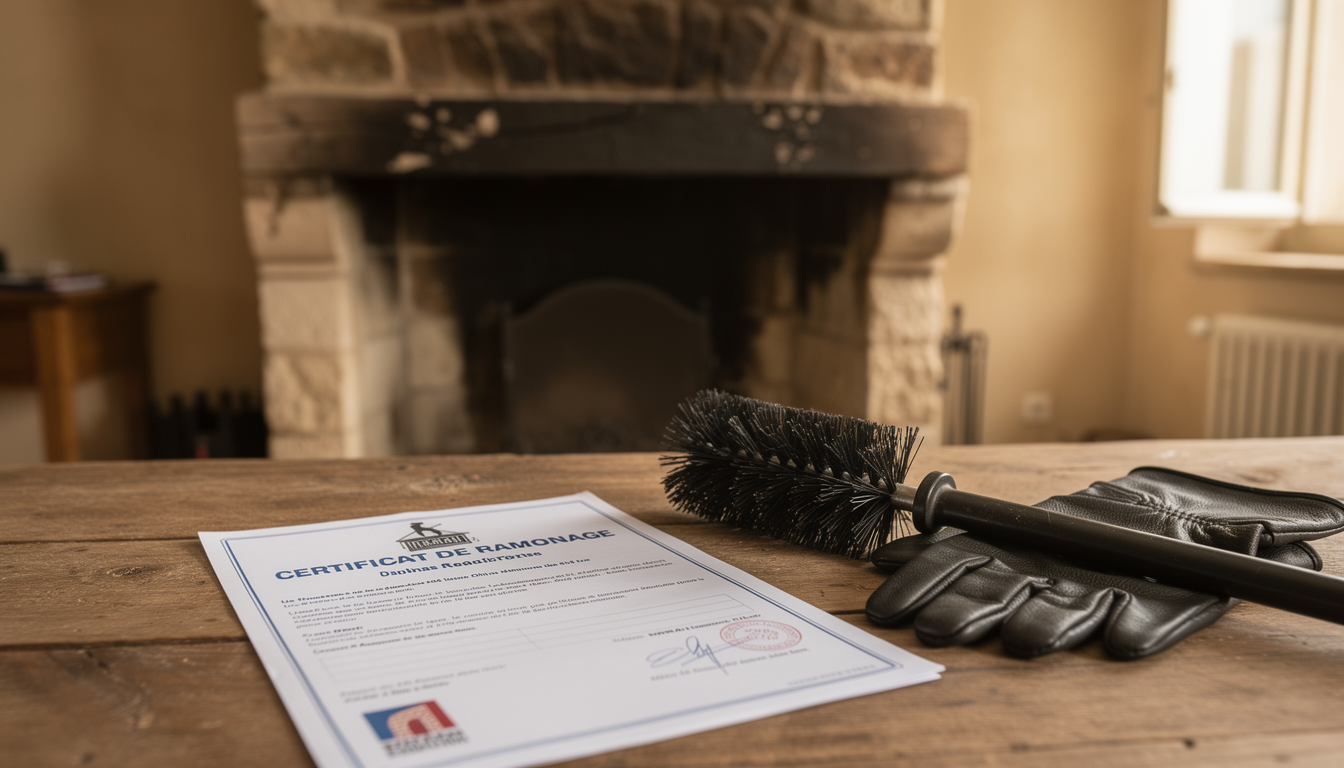
After their visit, the professional systematically provides an official proof: the chimney sweeping certificate. This document certifies the compliance of the operation, serves as proof of maintenance, and offers solid legal protection in the event of a chimney-related incident. It is therefore strongly advised to keep this certificate for several years to respond to any requests from the insurance or during a property transaction.
Legally, this certificate protects against any accusations of negligence and can prevent an exclusion of coverage or a financial penalty. It is the key document to present in case of a dispute or administrative inspection, highlighting the importance of the intervention by a qualified professional.
How many times a year should you have your chimney swept?
The sweeping frequency depends both on the usage of your chimney and the type of fuel used. For most homes regularly heated with wood or coal, it is recommended to have two annual sweepings: one before the cold season and another afterward, to ensure safety and comply with the legal obligation.
For more occasional use, the law requires at least one sweeping per year. Some specific installations, such as high-efficiency appliances or particular flues, may sometimes require additional interventions. Consulting a qualified professional allows for perfectly adapting the frequency to the needs and ensuring compliance with local regulations.
What legal issues surround the chimney sweeping certificate in the event of a chimney incident?
Civil liability and claims with home insurance
In the event of a fire related to the chimney, home insurance will immediately request a valid chimney sweeping certificate. In the absence of this proof, reimbursement for damages may be denied, or even lead to a total exclusion of coverage. This also engages the civil liability of the occupant if the fire causes damage to others.
Having a compliant maintenance proof is therefore the key to fully benefiting from the legal protection offered by your insurance contract. Any negligence, falsification, or absence of certificate poses a major risk of exclusion, even partial, in the event of a chimney incident.
Risks of fines and administrative consequences
Beyond the insurance aspect, ignoring the legal obligation of chimney sweeping exposes one to immediate sanctions such as a fine during a municipal inspection. The city of Langres closely monitors compliance with these rules to maintain collective safety. A simple oversight can significantly increase costs in the event of an incident.
Even more problematic: the absence of a chimney sweeping certificate in the documentation of a real estate sale or during a serious incident can complicate all subsequent legal procedures, leaving the occupant defenseless against administrations or insurance companies.
Practical tips for keeping proof of chimney maintenance
A few simple reflexes can ensure effective storage of chimney sweeping proofs. After each intervention, it is wise to file the chimney sweeping certificate with other documents related to the safety of the home. Digitizing this proof is also recommended for easy transmission to home insurance or the notary if needed.
Adopting these habits offers optimal legal protection and ensures constant compliance with local regulations. In the event of an inspection or incident, having the certificate readily available greatly facilitates procedures and enhances peace of mind.
- Chronologically archive chimney sweeping certificates for precise tracking.
- Note the contact details of each qualified professional who has worked in your home.
- Check the validity of the document (stamp, signature, date) after each intervention.
- Regularly consult municipal orders on the minimum mandatory frequency.
- Anticipate sweeping before periods of high usage: autumn and early winter are ideal.
| Ideal period | Type of fuel | Number of sweepings/year | Legal obligation |
|---|---|---|---|
| Early autumn | Wood / Coal | 2 (minimum) | Yes |
| Spring | Pellets / Closed fireplaces | 1 to 2 | Yes |
| All year round | Gas | 1 | Depends on local orders |