As its name suggests, the co-ownership regulations is a document containing all the operational rules of a building occupied by several households. It also outlines the rights and obligations of both parties (co-owners and tenants). Find below the ins and outs of the co-ownership regulations.
Is the co-ownership regulations mandatory?
Yes, the co-ownership regulations is a mandatory document, essential for the daily management of the building. Governed by Article 8 of the law of July 10, 1965, it specifies the procedures to follow for maintenance, repairs, security, etc. As a result, it significantly helps to prevent conflicts and ensure the smooth operation of the co-ownership.
It is the co-owners’ union or the property manager who drafts the document and amends it as needed. Currently, property managers can call upon an expert in the field such as Nomade Process, specialist in co-ownership regulations to facilitate the drafting of the document. In any case, the goal is to protect the interests of co-owners and tenants by maintaining a harmonious living environment that respects everyone’s rights.
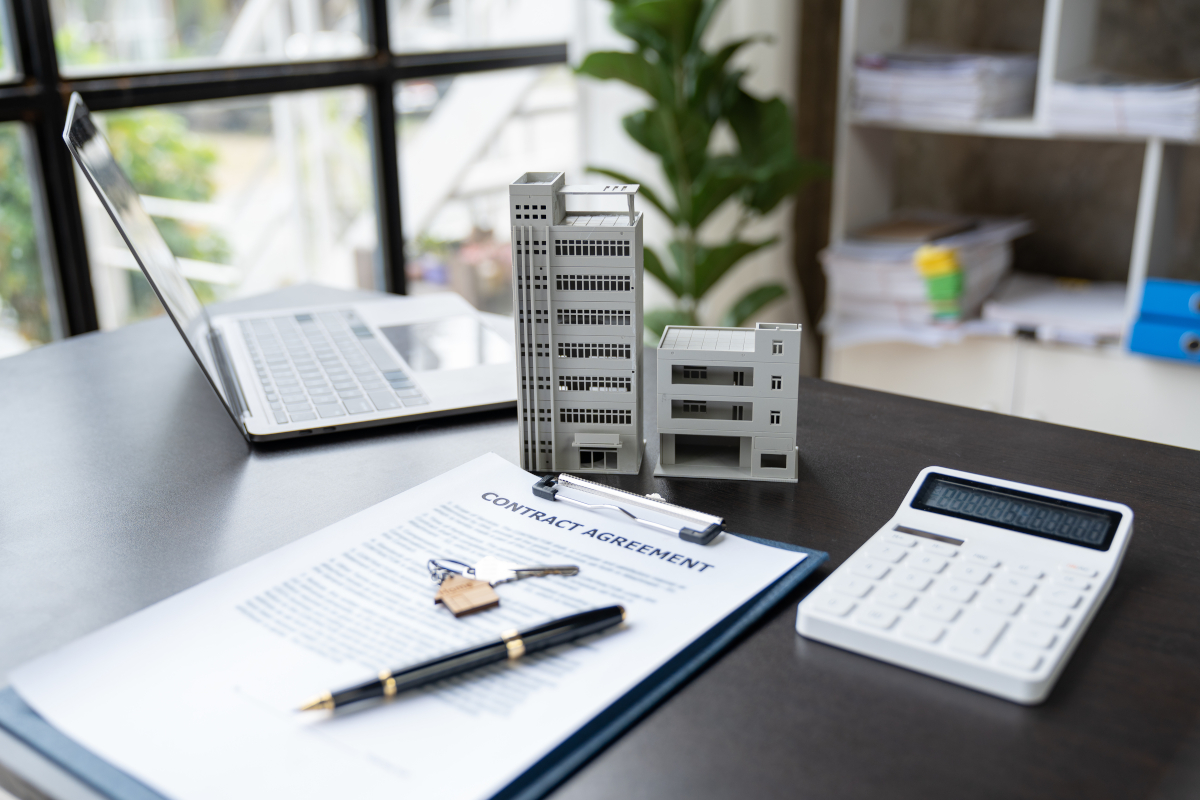
What does the co-ownership regulations contain?
We will take a closer look at the content of the co-ownership regulations. Generally, the document is divided into three distinct parts:
Conditions for the use of private areas
The rules stipulated in this section concern the spaces reserved for each co-owner, including apartments, balconies, and terraces. For aesthetic or safety reasons, it may be prohibited to hang laundry out of the windows. There may also be time restrictions for DIY and renovation work to prevent noise disturbances for neighbors.
Conditions for the use of common areas
The common areas include those shared by all co-owners such as hallways, staircases, entrance halls, elevators, parking lots, and green spaces. The co-ownership regulations establish the rules governing their use, maintenance, security, and collective enjoyment. For example, it may mention rules regarding vehicle parking, waste management, and the organization of repairs and renovation work.
Conditions for the use of special common areas
These are parts of the building or land specifically designated for the exclusive use of certain co-owners. This could be a bike storage area, a part of a garden, etc. The co-ownership regulations specify the rights and responsibilities of the co-owners concerned regarding the use and maintenance of these special common areas, as well as any potential sharing of costs related to repairs.
Who is responsible for ensuring compliance with the co-ownership regulations?
This responsibility primarily falls to the property manager, who is in charge of the administration and daily management of the building. Here are the main responsibilities of the property manager to ensure compliance with the co-ownership regulations:
- Enforcement of the rules by all stakeholders
- Management of violations
- Mediation and conflict resolution
- Raising awareness about compliance with the regulations